


No items found in your cart!
No items found in your cart!
 you definitely can not afford to miss this. READ HERE https://www.food.goglowonline.com/view-post.php?post_id=182, Thanks for always taking out time to read through our blog posts @ Goglow Limited! We are Happy that you enjoy it!&image=<img src='https://www.food.goglowonline.com/upload/1773666881Market-food-v3.jpg'/>) |
|
|
|
 you definitely can not afford to miss this. READ HERE https://www.food.goglowonline.com/view-post.php?post_id=182, Thanks for always taking out time to read through our blog posts @ Goglow Limited! We are Happy that you enjoy it!&image=<img src='https://www.food.goglowonline.com/upload/1773666881Market-food-v3.jpg'/>) |
|
|
|
Nigerian soups are known for their rich taste, deep aroma, and satisfying flavor. Whether it is egusi, ogbono, bitterleaf, or vegetable soup, a well-prepared Nigerian soup can turn a simple meal into an unforgettable experience. Many people often wonder why some soups taste incredibly delicious while others feel ordinary even when the same ingredients are used. The truth is that the secret behind tasty Nigerian soups lies in a combination of quality ingredients, proper cooking techniques, and attention to detail.
In this article, we will explore the key secrets that make Nigerian soups truly delicious.
1. Use Fresh and Quality Ingredients
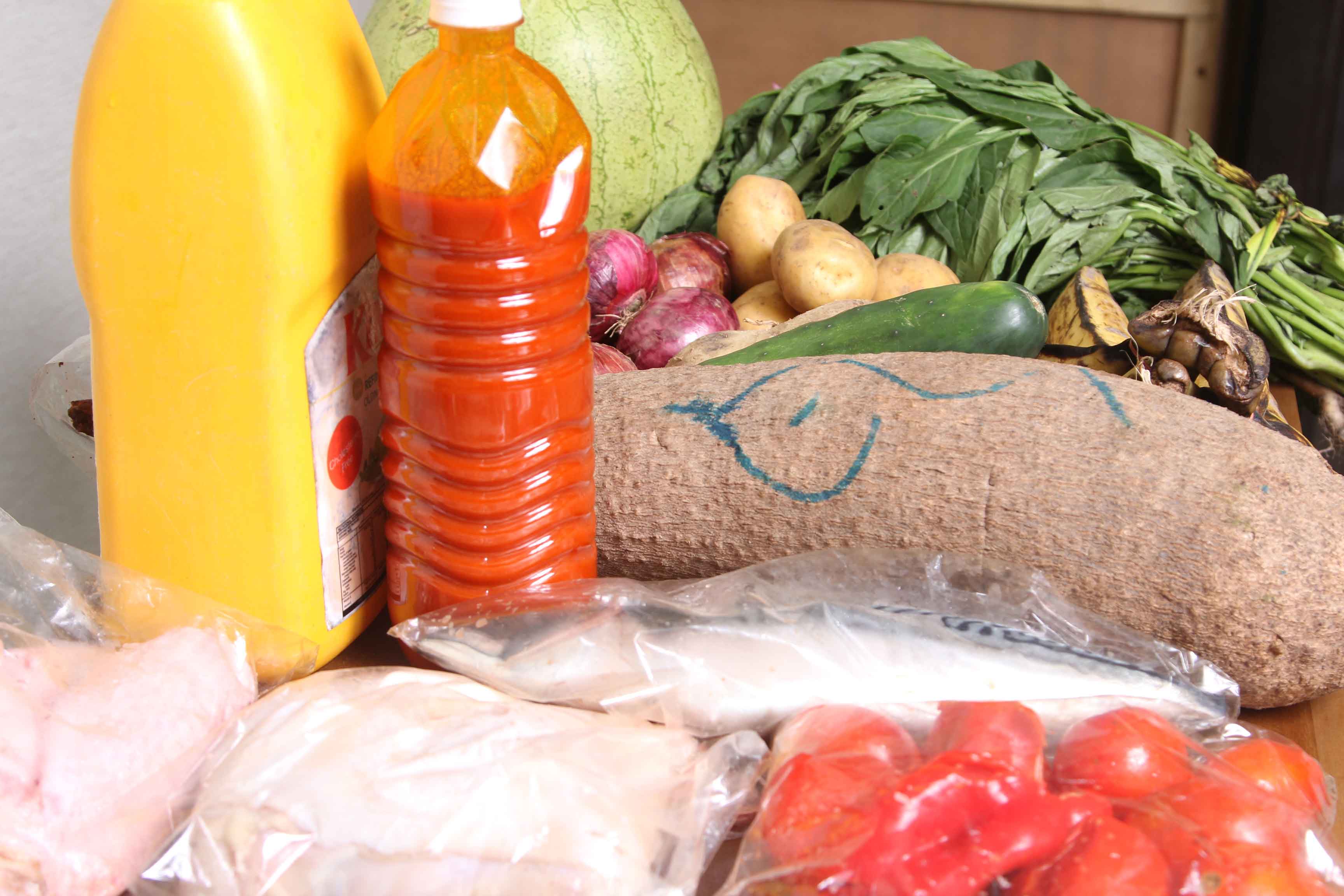
One of the biggest secrets behind a tasty soup is using fresh ingredients. Fresh vegetables, quality meat, fresh fish, and good palm oil can make a huge difference in the final taste of the soup.
For example, fresh bitterleaf or pumpkin leaves (ugu) will give a soup a richer flavor compared to vegetables that have stayed too long in the fridge. Fresh fish and properly cleaned meat also add a natural taste that processed alternatives cannot easily replace.
When cooking soup, always try to buy ingredients from reliable markets and use them as fresh as possible.
2. Season the Meat Properly
Before adding meat to your soup, it is important to season it well. Many experienced cooks know that the taste of the meat stock contributes greatly to the overall flavor of the soup.
When boiling meat, add ingredients like onions, seasoning cubes, salt, and sometimes spices such as curry or thyme. Allow the meat to cook well and release its natural flavor into the stock. This rich stock becomes the base that gives the soup its depth of flavor.
If the meat stock is well prepared, the soup will naturally taste better.
3. Use the Right Combination of Proteins
A secret used by many Nigerian cooks is mixing different proteins in one soup. For example, combining beef, stockfish, dry fish, or cow skin (ponmo) can create a richer taste.
Each type of protein adds its own flavor and texture to the soup. Dry fish and stockfish, for example, give soups a unique aroma that many people love.
However, it is important not to overdo it. The goal is balance so that no single ingredient overpowers the others.
4. Allow Ingredients to Cook Properly
Patience is another important secret. Some people rush the cooking process, but good soup takes time.
Allow ingredients like meat, stockfish, and thickening agents such as egusi or ogbono to cook properly. This helps the flavors blend together naturally.
When soups simmer slowly, the ingredients release their flavors gradually, creating a richer and more satisfying taste.
5. Use Quality Palm Oil
Palm oil is a key ingredient in many Nigerian soups. The quality of the palm oil can affect the color, aroma, and taste of the soup.
Good palm oil should have a natural red color and a fresh smell. Avoid palm oil that smells sour or looks too dark, as it can spoil the taste of the soup.
Adding the right quantity is also important. Too much palm oil can make the soup heavy, while too little may reduce its richness.
6. Add Local Seasonings and Spices
Traditional Nigerian spices give soups their unique identity. Ingredients such as locust beans (iru), crayfish, pepper, and ogiri can enhance the taste significantly.
Crayfish, in particular, is often called the “secret ingredient” in many Nigerian soups because it adds a deep seafood flavor.
Using the right amount of these seasonings can transform a normal soup into a very delicious one.
7. Add Vegetables at the Right Time
Vegetables are an essential part of many Nigerian soups, but timing matters. If vegetables are added too early, they may lose their color, texture, and nutrients.
Most vegetables should be added toward the end of the cooking process so they remain fresh, vibrant, and flavorful.
This not only improves taste but also makes the soup look more appealing.
8. Taste and Adjust Before Serving
A good cook always tastes the soup before serving. This step helps you adjust seasoning, salt, or pepper if needed.
Sometimes a small addition of salt, crayfish, or pepper can bring out the full flavor of the soup.
Never skip this final check because it ensures the soup is perfectly balanced.
Conclusion
The secret behind tasty Nigerian soups is not just about following a recipe. It involves using fresh ingredients, preparing meat stock properly, combining proteins wisely, cooking patiently, and using traditional spices.
When these simple secrets are applied, even a basic soup can turn into a rich and flavorful meal that everyone will enjoy.
Nigerian soups are more than just food; they are an important part of culture, family gatherings, and everyday life. With the right techniques, anyone can learn to cook soups that taste just as delicious as those prepared by experienced Nigerian cooks.
At Goglow Food, we celebrate the joy of cooking and sharing delicious meals. Keep following our blog for more food tips, recipes, and kitchen secrets that will help you become a better cook.







 Categories