


No items found in your cart!
No items found in your cart!
.jpeg)
 you definitely can not afford to miss this. READ HERE https://www.food.goglowonline.com/view-post.php?post_id=201, Thanks for always taking out time to read through our blog posts @ Goglow Limited! We are Happy that you enjoy it!&image=<img src='https://www.food.goglowonline.com/upload/1788428879images (27).jpeg'/>) |
|
|
|
 you definitely can not afford to miss this. READ HERE https://www.food.goglowonline.com/view-post.php?post_id=201, Thanks for always taking out time to read through our blog posts @ Goglow Limited! We are Happy that you enjoy it!&image=<img src='https://www.food.goglowonline.com/upload/1788428879images (27).jpeg'/>) |
|
|
|
Every year, an enormous amount of food is produced, transported, sold, prepared—and never eaten. While millions of people around the world struggle with food insecurity, perfectly edible food is routinely discarded at homes, restaurants, supermarkets, and farms.
Food waste is more than a matter of unfinished meals or spoiled groceries. It represents wasted water, energy, land, labour, money, and other resources used to produce that food. It also contributes significantly to environmental problems, including greenhouse-gas emissions.
At GOGLOW FOOD, we believe that enjoying food should also mean respecting the resources behind it. Understanding food waste is the first step toward making smarter choices about what we buy, store, prepare, and consume.
So, just how much food do we really throw away—and what can we do about it?
Food waste generally refers to food that was produced for human consumption but is not ultimately eaten.
It can happen at virtually every stage of the food system:
It is important to distinguish food loss from food waste. Food loss often occurs earlier in the supply chain, such as during harvesting, transportation, storage, and processing. Food waste is more commonly associated with retailers, food-service businesses, and consumers.
Together, they represent a massive global challenge.
The scale of the problem is difficult to ignore.
According to the United Nations Environment Programme's Food Waste Index Report 2024, the world generated approximately 1.05 billion tonnes of food waste in 2022 across households, food-service establishments, and retail. That is roughly one-fifth of food available to consumers being wasted.
Households accounted for the largest share, at approximately 631 million tonnes, while food services contributed around 290 million tonnes and retail around 131 million tonnes.
In other words, food waste isn't only an industrial problem. What happens in our kitchens matters enormously.
And the environmental consequences are substantial.
Food that is produced but never eaten still requires land, water, fertiliser, fuel, refrigeration, packaging, transportation, labour, and other resources. When discarded food ends up in landfills and decomposes without sufficient oxygen, it can also generate methane, a powerful greenhouse gas.
Food waste therefore sits at the intersection of food security, environmental sustainability, economics, and responsible consumption.
The home is one of the biggest places where food waste occurs.
Think about what happens in an average household:
You buy vegetables intending to cook them later. A few days pass. You order food instead. The vegetables remain in the refrigerator until they spoil.
Or perhaps you cook too much rice, pasta, soup, or stew. Nobody finishes it, and eventually it gets thrown away.
Sometimes the waste is even smaller: a banana that becomes overripe, bread that develops mould, leftovers forgotten at the back of the refrigerator, or food prepared in portions that are simply too large.
Individually, these actions may seem insignificant.
Collectively, they are enormous.
Overbuying:
Promotions and bulk purchases can encourage people to purchase more food than they can consume.
Poor meal planning:
Without knowing what meals are coming up, it is easy to buy unnecessary ingredients.
Improper storage:
Some foods spoil quickly when stored at the wrong temperature or in the wrong conditions.
Cooking too much:
Large portions frequently result in leftovers that are never eaten.
Forgetting what we already have:
Food hidden at the back of cupboards or refrigerators can easily be forgotten.
Misunderstanding date labels:
People sometimes throw away food because they misunderstand the difference between quality-related dates and genuine safety concerns.
Restaurants, hotels, caterers, cafés, and other food-service businesses also generate significant amounts of food waste.
Waste can occur before food reaches the customer.
For example, restaurants may prepare more meals than they ultimately sell. Ingredients may spoil before they are used. Food can also be damaged during preparation.
Then there is plate waste—food that customers order but do not finish.
Restaurants face a difficult balancing act. They need enough food available to satisfy customers, but preparing substantially more food than demand requires can result in unnecessary waste.
Businesses can:
A restaurant cannot manage what it does not measure.
Supermarkets are another important part of the food-waste conversation.
Retailers may discard food because:
Consider fruits and vegetables.
A tomato that is slightly misshapen may taste exactly like a perfectly shaped tomato. A carrot that is unusually curved is still a carrot.
Yet consumers often expect fruits and vegetables to look a certain way, encouraging retailers to reject produce that does not meet conventional cosmetic expectations.
Retailers can help by:
Discounting products approaching their best-before dates:
A reduced-price product is better than an unsold product being discarded.
Selling imperfect produce:
"Ugly" fruits and vegetables can still be nutritious and delicious.
Improving inventory management:
Better forecasting can prevent stores from ordering significantly more food than customers need.
Donating safe surplus food:
Where appropriate systems exist, edible surplus can be redirected to charities and community organisations.
Educating consumers:
Clear information about storage and date labels can help customers make better decisions.
When people think about food waste, they often imagine leftovers in a kitchen.
But waste can begin long before food reaches the supermarket.
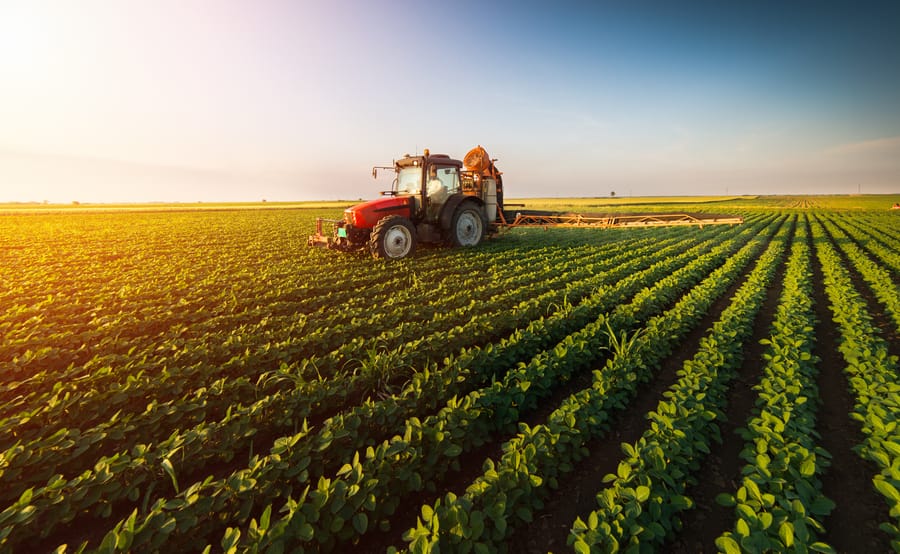
Farmers can lose food because of:
Sometimes farmers produce a successful crop but cannot sell all of it profitably.
This is particularly important in developing economies where inadequate storage, transportation, electricity, and cold-chain infrastructure can cause significant post-harvest losses.
Solutions can include:
Reducing food loss after harvest can increase farmers' incomes while making more food available to consumers.
Food waste is not simply wasted food.
It is wasted resources.
Imagine the journey of a single loaf of bread.
A farmer grows wheat.
That wheat requires land, water, fertiliser, machinery, labour, and energy.
The wheat is harvested and transported to a processing facility.
It is turned into flour.
The flour is transported to a bakery.
The bakery uses electricity and other ingredients to produce bread.
The bread is packaged and transported to a shop.
A customer buys it.
And then, because it was forgotten for too long, the entire loaf ends up in the bin.
Every resource used throughout that journey has effectively been spent on something that was never consumed.
That is why reducing food waste can be one of the simplest ways to make our food systems more efficient.
Food waste also has a climate dimension.
When food is thrown away, the emissions associated with producing and transporting it have already occurred.
But the story does not necessarily end there.
When organic waste is buried in landfills under oxygen-limited conditions, decomposition can produce methane.
Reducing food waste can therefore help address emissions in two ways:
This does not mean every piece of discarded food has the same environmental impact. Wasting beef, for example, generally represents a different resource and emissions footprint than wasting some fruits or vegetables.
Nevertheless, the principle remains:
The most sustainable food is often the food that is actually eaten.
Food waste is also expensive.
For households, throwing food away is essentially throwing money away.
If you regularly purchase food that you never consume, your grocery bill is higher than it needs to be.
For restaurants, waste can reduce profit margins.
For supermarkets, unsold inventory represents lost revenue.
For farmers, crops that cannot reach consumers represent lost income and wasted production costs.
Reducing food waste can therefore become an economic strategy—not just an environmental one.
Food waste and food loss can take different forms depending on where they occur.
In many developing economies, losses can be particularly significant earlier in the food supply chain due to challenges involving:
For households and businesses, however, consumer-side waste remains important too.
Nigeria's growing urban population, expanding food-service sector, changing lifestyles, and increasing reliance on packaged and prepared foods make responsible food consumption increasingly relevant.
Reducing food waste does not require waiting for a massive technological breakthrough.
It can begin with better planning, better storage, better purchasing decisions, and greater appreciation for the food already available.
You don't need to completely change your lifestyle to make a difference.
Small habits can add up.
Before going shopping, think about what you are actually going to eat during the week.
Meal planning can prevent unnecessary purchases.
A shopping list helps you buy what you need instead of buying whatever looks attractive at the supermarket.
Before purchasing something, check your refrigerator, freezer, and cupboards.
You may already have what you need.
Learn which foods belong in the refrigerator, freezer, pantry, or another suitable storage environment.
Proper storage can significantly extend food's usable life.
Don't automatically throw something away simply because you see a date.
Learn what the date means and follow appropriate food-safety guidance. When in doubt about the safety of food—especially perishable foods—it's better to prioritize safety.
You can always take more food if you're still hungry.
Starting with smaller portions can reduce what ends up on the plate and eventually in the bin.
Yesterday's food can sometimes become today's new meal.
Leftover vegetables can go into a sauce or soup. Cooked meat can be incorporated into another dish. Extra rice can be safely stored and reused appropriately.
If you know you won't eat something soon, freezing it may extend its usable life, provided the food is suitable for freezing and handled safely.
Don't judge fruits and vegetables entirely by appearance.
A slightly unusual shape doesn't necessarily mean poor quality.
Some food scraps are unavoidable.
Instead of sending suitable organic waste directly to landfill, composting can turn certain food scraps into a useful soil amendment.
Individuals are important, but businesses have a major role to play.
Food companies can:
The goal isn't simply to produce more food.
It is to build a system in which more of the food already produced actually reaches people and gets eaten.
One of the oldest strategies for reducing food loss is also one of the most effective: preservation.
Across cultures, people have developed ways to extend the life of food through:
Modern food processing and packaging technologies can build on these traditional approaches.
Products with appropriate shelf stability can help consumers store food for longer and reduce the likelihood of spoilage.
This is one reason consumers should pay attention not only to how much they buy but also to how they store and preserve what they buy.
Consumers have more influence than they may realize.
Every purchase sends a signal to the food industry.
When consumers:
they contribute to a culture in which food is valued rather than treated as disposable.
But consumers should not carry the entire responsibility.
Governments, farmers, manufacturers, retailers, restaurants, logistics companies, and technology providers all have important roles to play.
Food waste is a system-wide problem, so it requires system-wide solutions.
The global food-waste crisis is serious—but it also presents an enormous opportunity.
Reducing waste could mean:
More food reaching people.
Lower household expenses.
Higher efficiency for businesses.
Better incomes for farmers.
Less pressure on land and water.
Lower environmental impacts.
More resilient food systems.
Instead of asking only, "How can we produce more food?", we should also ask:
"How can we make better use of the food we already produce?"
That question could transform how the world approaches food.
Want to start today?
Try this seven-day challenge:
Day 1: Check everything in your refrigerator and pantry.
Day 2: Create a meal plan based on food you already have.
Day 3: Make a shopping list and avoid impulse purchases.
Day 4: Store your fresh foods properly.
Day 5: Use leftovers creatively.
Day 6: Freeze suitable food you won't eat soon.
Day 7: Look at what you threw away during the week and identify why it happened.
You may discover that the biggest source of waste in your household isn't what you expected.
Once you know the problem, you can change the habit causing it.
The global food-waste crisis can feel overwhelming when measured in millions or billions of tonnes.
But the solution doesn't have to begin with billions of people.
It can begin with one household, one restaurant, one supermarket, one farm, and one better decision at a time.
Food represents much more than what appears on our plates. Behind every meal are farmers, workers, water, soil, energy, transportation, money, and time.
When we waste food, we waste a part of that entire journey.
At GOGLOW FOOD, we believe that food should be appreciated, handled responsibly, and enjoyed to its fullest.
So the next time you open your refrigerator, prepare a meal, shop for groceries, or order from a restaurant, remember:
Because when it comes to food, every bite counts.

.jpeg)


 Categories

.jpeg)